
Sabuni ya Ustawi — Micro-Franchise
Empowering Women. Hygiene for Every Home
Sabuni ya Ustawi (“Prosperity Soap”) is a community-owned micro-franchise delivering affordable, high-quality hygiene products to last-mile households in Dzaleka Refugee Camp and surrounding host communities, while building sustainable incomes for local women entrepreneurs.
The Challenge: Hygiene Access & Income Poverty
In displacement contexts and rural host communities across Dowa District, two interconnected barriers trap families in vulnerability:
- Hygiene Poverty: Commercially produced soap and hygiene supplies are often overpriced or sold in bulk sizes unaligned with daily informal cash flows. This leaves households, schools, and community centers without consistent sanitation tools, driving preventable waterborne illnesses.
- Economic Exclusion: Refugee and local women face severe barriers to formal employment, lack access to business startup capital, and are frequently excluded from traditional credit markets.
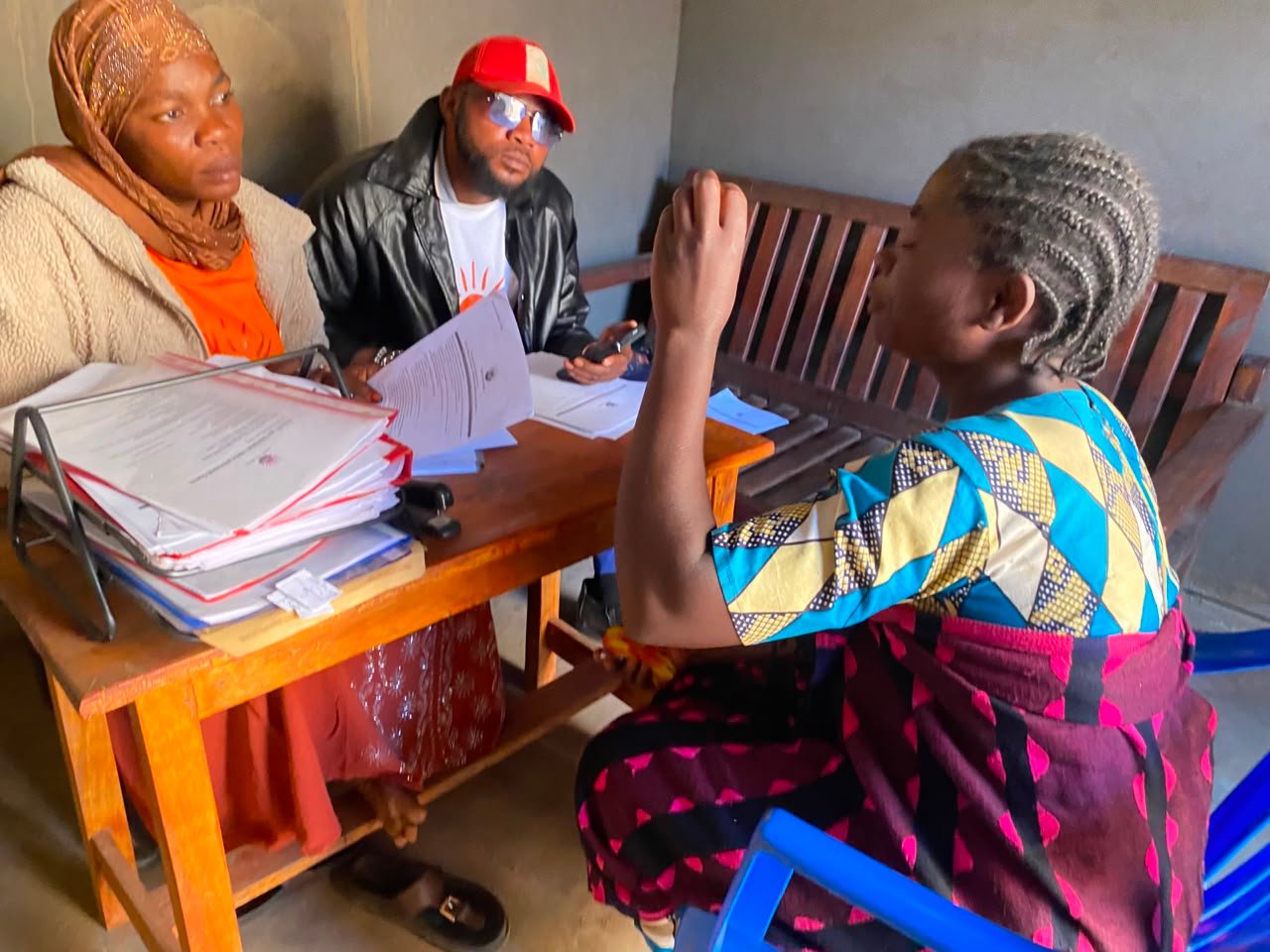
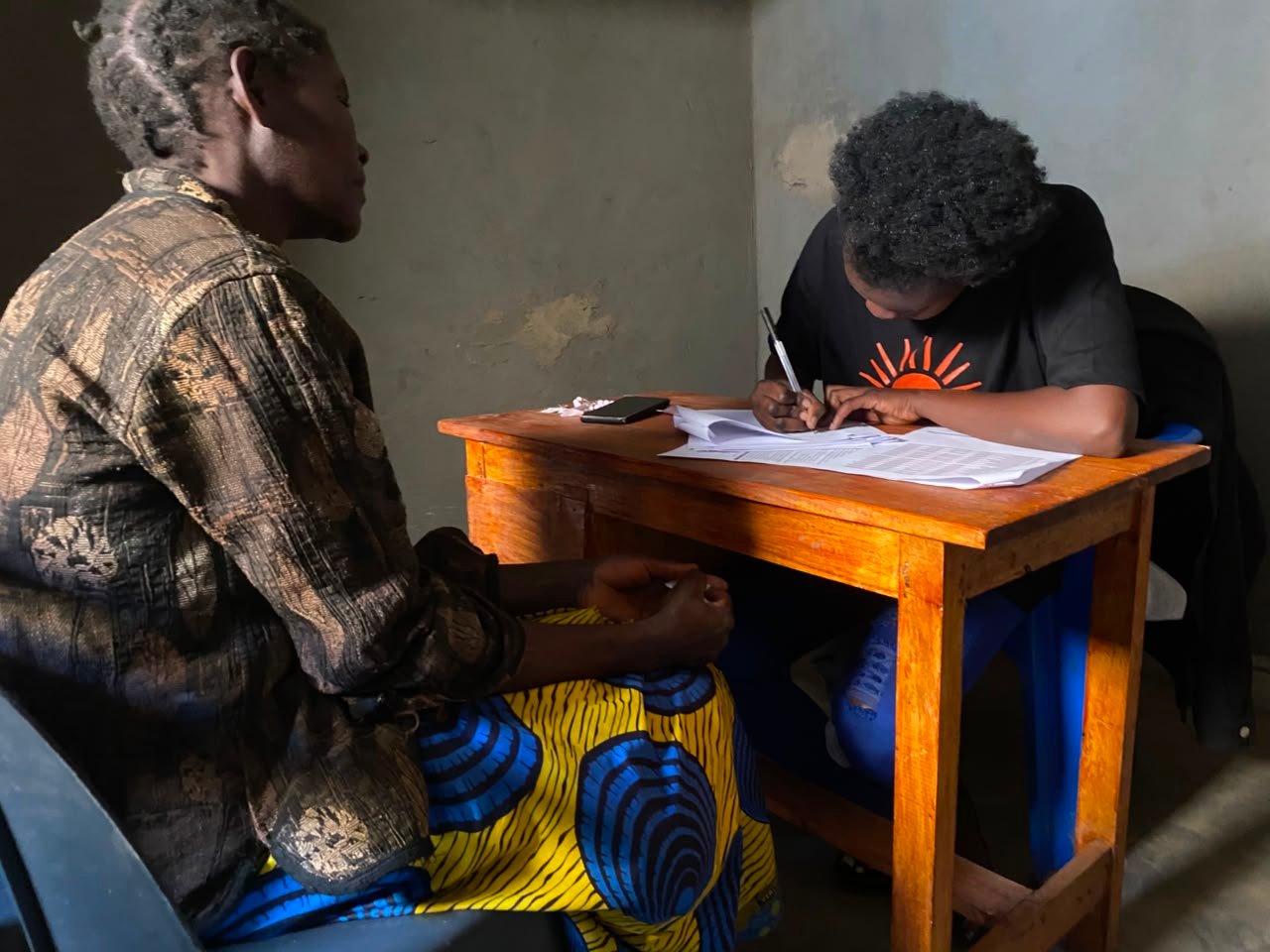
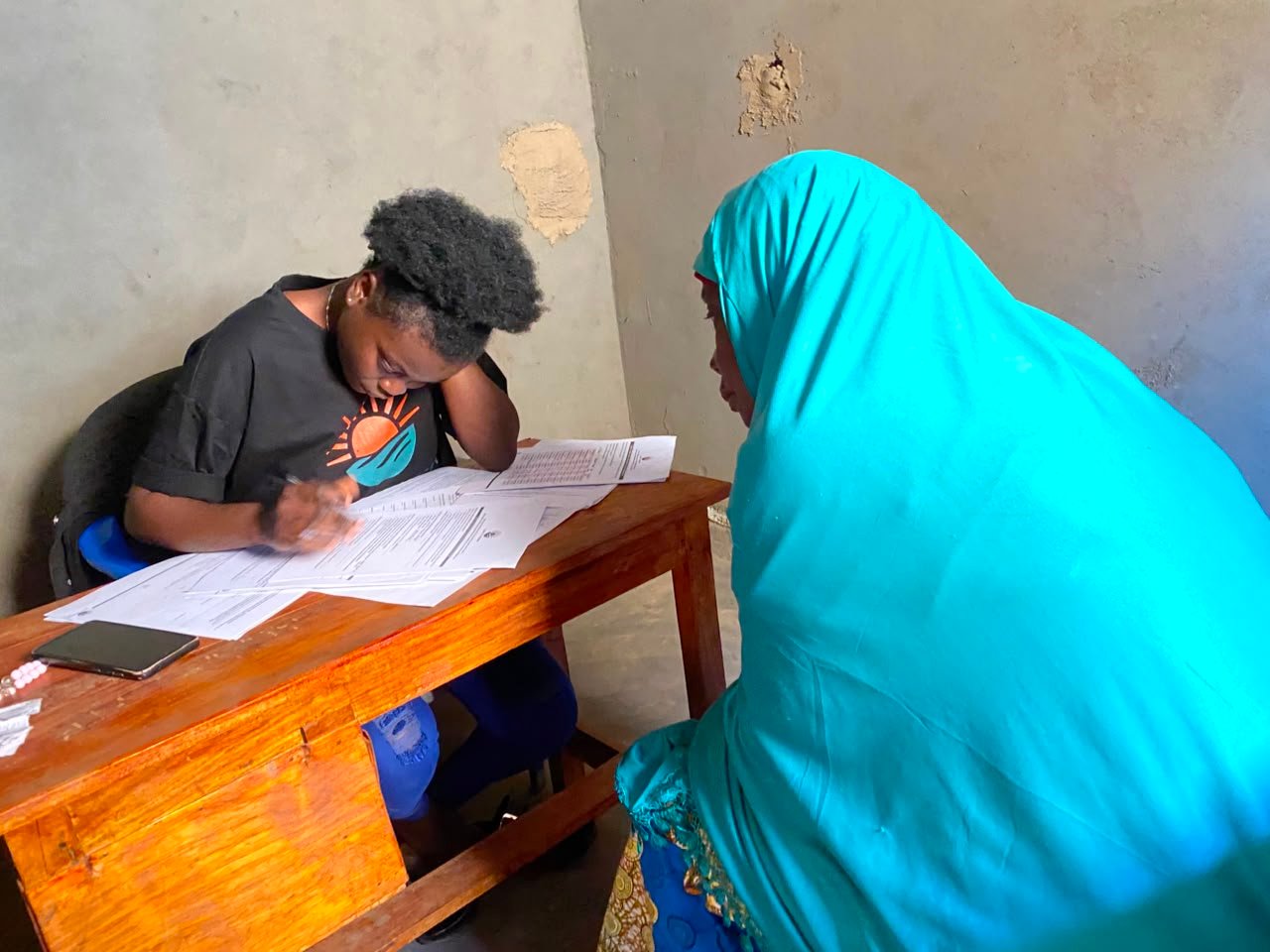
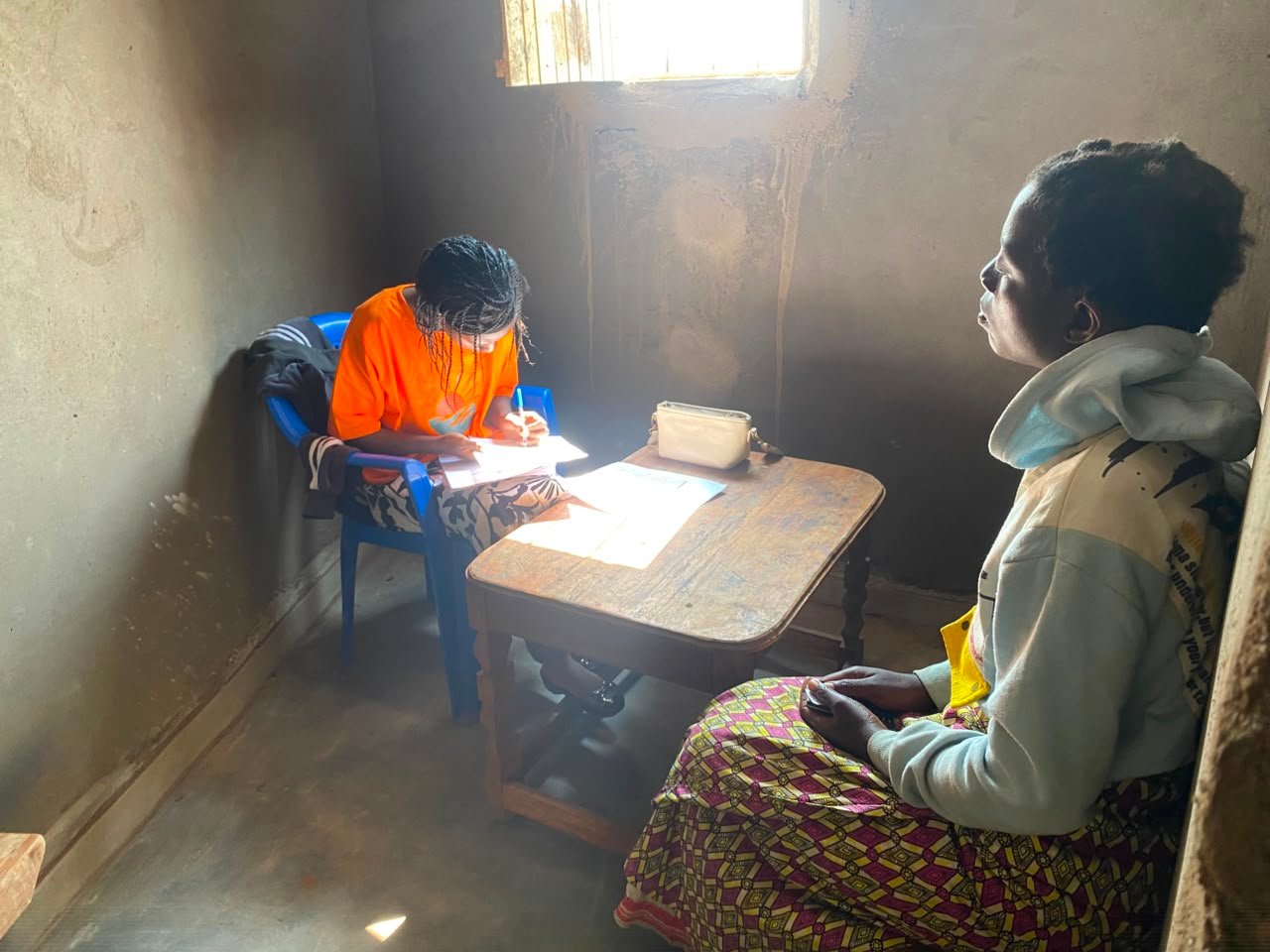
Our Model: Last-Mile Micro-Franchising
Sabuni ya Ustawi bridges this gap by turning hygiene distribution into a engine for women’s economic independence.
Central Sauti ya Mama Hub
Sourcing bulk raw materials at scale
Standardized formulation and rigorous quality testing
Ensuring product safety and consistent quality across all units
3-Person Women Entrepreneur Units
Grassroots batch production and local packaging
Micro-distribution directly within refugee and host communities
Economic empowerment through direct ownership and income generation
Community Distribution Channels
Refill Stations: Door-to-door sales utilizing eco-friendly, reusable container refills
Local Kiosks & Markets: Wholesale consignment supply to local vendors
Schools & Health Centers: Bulk sanitation orders powering institutional hygiene
Key Program Mechanics:
- Bulk Sourcing & Quality Control: Sauti ya Mama’s central hub purchases raw chemical inputs in bulk, ensuring a 35% reduction in production costs and enforcing strict quality and safety testing.
- 3-Person Micro-Units: Women operate in teams of three, dividing management responsibilities across raw material mixing, inventory control, and community sales.
- Zero-Waste Micro-Refills: To make products affordable, households purchase liquid soap via a refill model using their own containers. This reduces packaging costs by 20% and provides small, daily purchase increments (starting at MWK equivalent of $0.20).
- Profitable & Sustainable Margins: Entrepreneurs retain a 25–30% net margin on sales, generating predictable, independent household income.
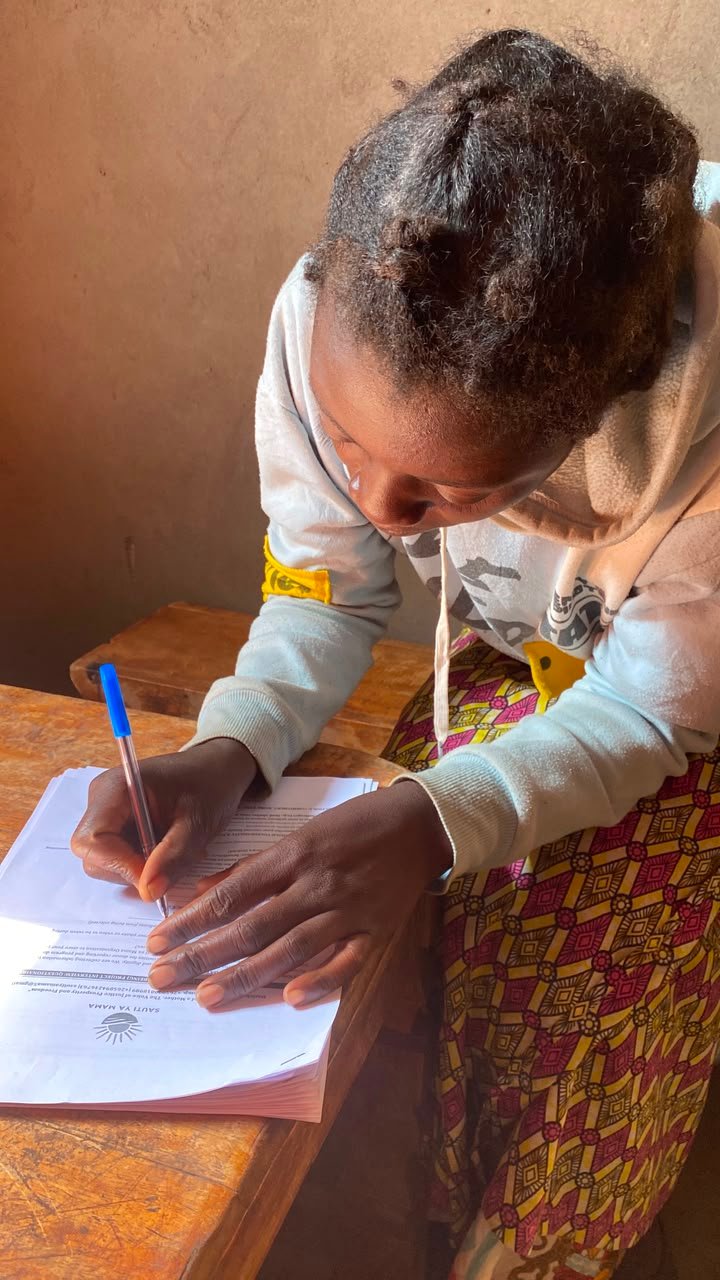
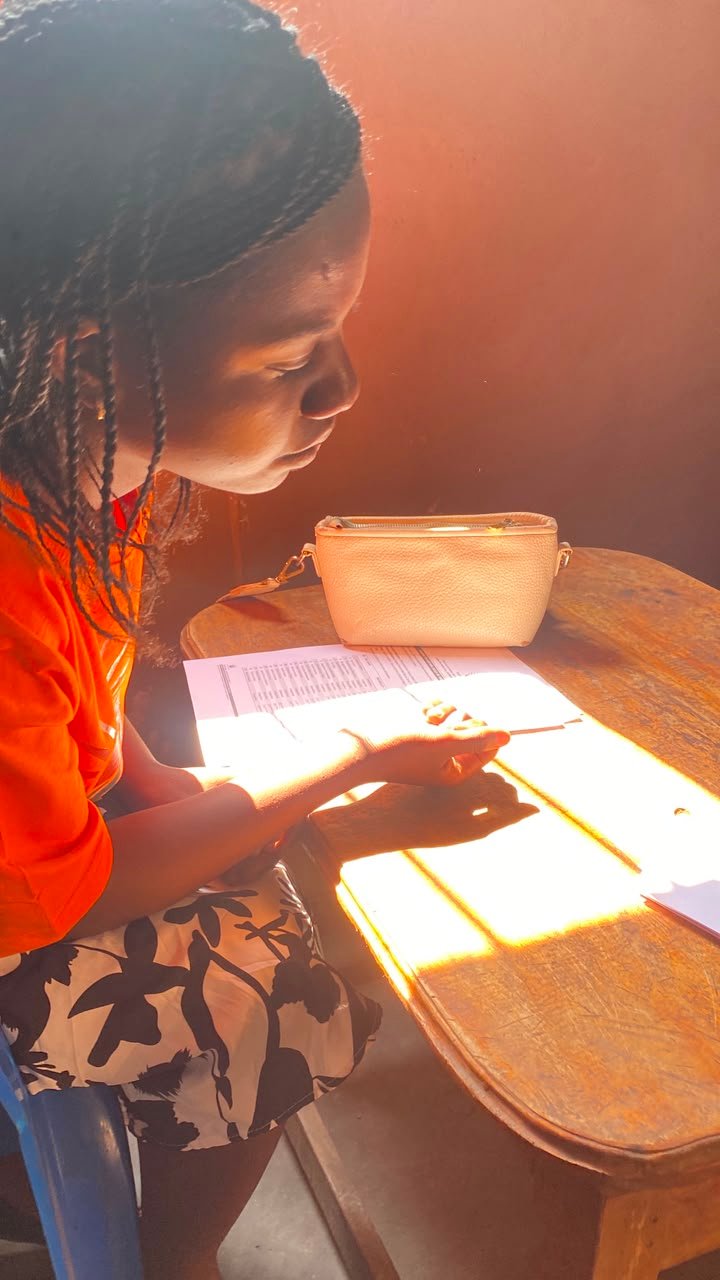
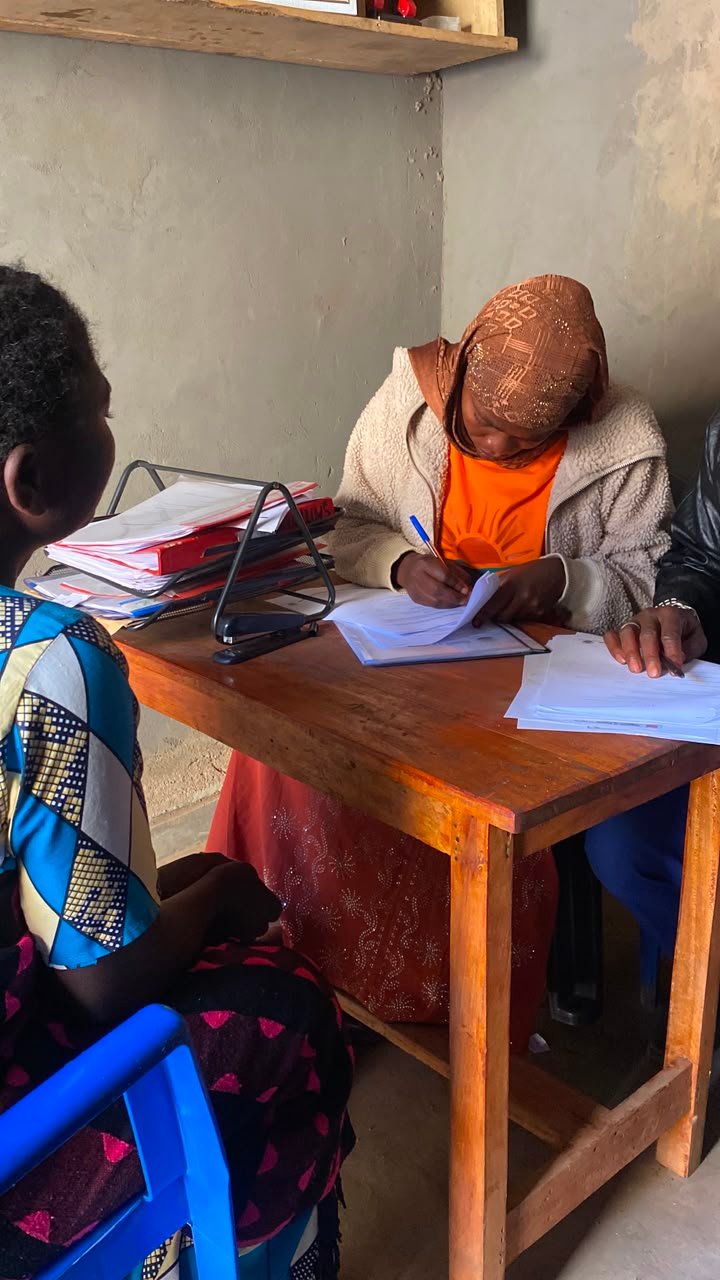
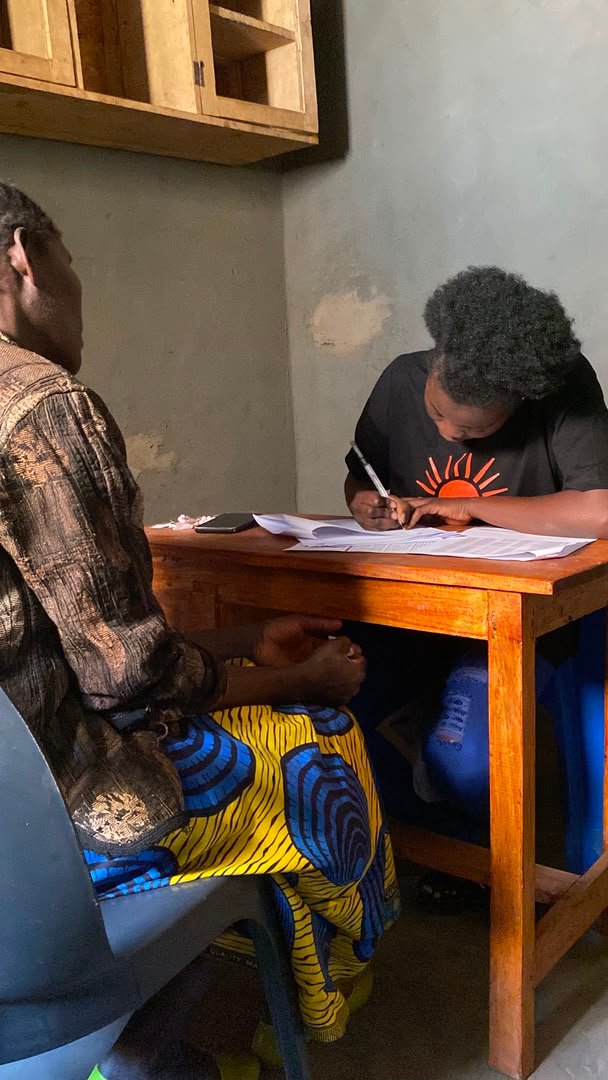
Four Pillars of the Sabuni ya Ustawi Program
1. Capital Transfer
2. Entrepreneurship & Technical Training
3. Financial Inclusion & Savings
4. Ongoing Business Coaching
Program Impact at a Glance
- Cost-Effective Reach: ~$1.60 direct cost per individual beneficiary served across hygiene and livelihood initiatives.
- Economic Graduation: Over 95% of participating women successfully build net savings and sustain operational income beyond their first 12 months.
- Community Health Improvement: Increases consistent household soap presence in targeted zones by over 70%, improving sanitation standards across refugee and host community homes.
- Male Allyship Integration: Supported by Sauti ya Baba engagement circles, ensuring husbands and family members actively support female business operations and financial decision-making.
Get involved
For Donors & Impact Investors
Scale our micro-franchise network to reach an additional 50 women entrepreneurs and 2,500 households in Dowa District
For Local Partners & Retailers:
Inquire about wholesale bulk purchases for local schools, health centers, or community programs